
North Little Rock Directory Holdings
North Little Rock directory work starts with several collections, not one complete online run. Authoritative local history cites resident and street entries from 1910 and 1911, but no official web shelf list found during the research enumerates every volume or publisher year. Roberts Library and the Butler Center, the Laman Library, and Arkansas archive collections are therefore complementary. Ask staff to check North Little Rock, Argenta, Little Rock Eighth Ward, and metro-wide titles for the exact year.
| Collection | Years | Where Held | Access |
|---|---|---|---|
| Little Rock and North Little Rock directories | 1910 and 1911 examples verified; full run pending shelf check | Roberts Library/Butler Center and Laman Library | Ask staff by place, title, and year |
| Reverse and telephone directories | Mid-century holdings likely; exact years unverified | Roberts Library and Laman Library | In-person or staff-assisted shelf check |
| Sanborn atlas | 1892 volume verified | Library of Congress; library and archive references | Free online images |
| Federal census | 1900 through 1950 public | National Archives and library genealogy databases | Online or library access |
| Photos, newspapers, and manuscripts | Collection-specific | Butler Center and Arkansas Digital Archives | Catalog, finding aid, or staff request |
A catalog result is only a starting point. A shelf volume may have no full-text record, and a metro volume may place North Little Rock in a separate section. Before travel, ask for title, publisher, year, reverse-directory status, copying rules, and any fee for remote help. Record gaps rather than claiming a complete run.
Four North Little Rock Search Keys
Historic place names control whether a search succeeds. Little Rock annexed Argenta in 1890. North Little Rock incorporated north of that district in 1901, reclaimed Argenta in 1904, used Argenta as its official city name from 1906 through 1917, and then returned to North Little Rock. Baring Cross joined in 1905. Levy, Rose City, Dixie, Park Hill, and other communities became part of the city in the large 1946 annexation era.
- 1866: Argenta was platted.
- 1890: Little Rock annexed Argenta.
- 1901: North Little Rock incorporated north of Argenta.
- 1904: North Little Rock reclaimed the Argenta district.
- 1906: Argenta became the city's official name.
- 1917: North Little Rock became the official name again.
- 1946: Levy and several other communities joined the city.
Run each likely name against the year at issue: Argenta, North Little Rock, Little Rock Eighth Ward, and Greater Little Rock or Pulaski County. A person may be filed under a community label or inside the main Little Rock alphabetic book. For a city directory search, the period caption matters more than today's neighborhood name. Street guides, maps, deeds, and census enumeration districts can confirm which jurisdiction held an address.
Note: Modern Argenta branding does not mean every older Argenta record was cataloged under the same government name.
North Little Rock Directory Research Desks
The closest local stop is William F. Laman Public Library. Across the river, Roberts Library and the Butler Center at 401 President Clinton Avenue teach genealogy with online databases and city directories. The research desk can help identify telephone books, newspapers, vertical files, photographs, manuscripts, and neighborhood material. Call 501-320-5700 and ask by exact year and historic place name.
The Arkansas Digital Archives adds photographs, manuscripts, newspapers, maps, and family papers, but it is not a single resident-name index. Search collection descriptions first. Then use a finding aid or staff help to reach the box, folder, image, or volume. Arkansas State Archives is another pre-digital fallback when local catalogs stop.
Other focused sources include the Faucette Brothers Papers, North Little Rock History Commission material, local yearbooks, historic newspapers, Thomas Cemetery research, and railroad or military-community collections. Modern institutional files can be closed, so ask about public historical holdings rather than expecting personal files.
Decode a North Little Rock Entry
Copy each line exactly before interpreting it. North Little Rock entries can include a surname, given name or initial, spouse in parentheses, widow notation, occupation, employer, home and business addresses, telephone, and a householder mark. Street sections list names by house number. The key in that same volume controls what each short form means, so a mark should never be expanded from memory.
| Printed name | Surname, given name or initial, and sometimes a spouse in parentheses |
|---|---|
| Life clue | Widow notation, occupation, employer, or business role |
| Place clue | Residence and business street numbers, with directional forms as printed |
| Household clue | Homeowner or renter marks in editions that use them |
| Contact clue | Telephone number or business classification where printed |
- Criss-cross directory
- A later street or telephone section arranged by address or number instead of surname.
- Householder index
- A list centered on the named household representative, not a full roster of every person inside.
- Abbreviation key
- The volume's own legend for short forms such as residence, boards, widow, occupations, and directions.
Photograph or transcribe the key with the entry. That small step prevents a false reading from following a family through the rest of the record trail.
North Little Rock Directory Movement
A local example shows how annual books reveal change. An authoritative Encyclopedia of Arkansas history notes that Argenta Drug Store first appears in the 1910 North Little Rock city directory at 403 Main under Dr. Edwin Sharp. By 1939, the business stood at 324 Main. The two entries do more than place a name in a town. They establish dated street points that can be tested against photographs, business records, maps, and deeds.
The same method works for a household. Preserve the printed address, occupation, spouse, and business role for each year. A change in only one field may be as useful as a move. Railroad shops, cotton-oil mills, Camp Robinson, Fort Roots, and other local institutions can help distinguish people who share a surname.
A business move also helps date the street itself. Compare each printed number with the directory street guide and the map closest to that year. A deed supplies ownership, while the directory supplies a listed person or business. Neither should be made to answer the other's question. Photographs and newspaper ads can then show whether the trade name, proprietor, and building remained linked after the address changed.
The North Little Rock local-history source also provides the wider civic frame:
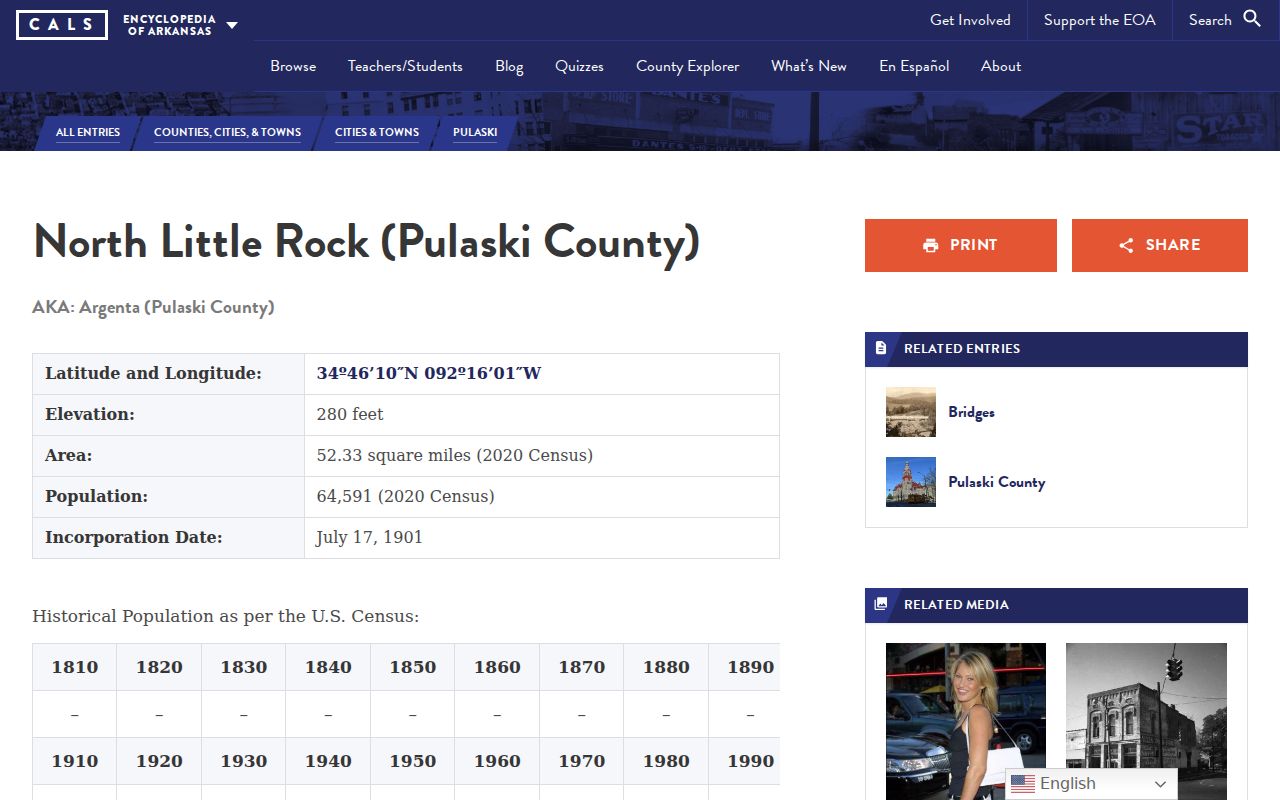
Its chronology helps match a printed city label to the government and neighborhood boundaries in force for that year.
Dixie Row in North Little Rock
A 1911 street index lists five households on Dixie Row, all African-American laborers at Dixie Cotton Oil Mill. This is a rare compact view of one street, shared work, and race in a period source. It also warns against reading a name list without its social setting. Historic publishers and canvassers could omit residents or segregate entries, while old type and initials create search misses.
North-side residents in 1870 were largely African American, and European immigrants also came for railroad work. Church, school, cemetery, Freedmen-era, newspaper, and census sources should fill gaps. Absence from the book does not establish absence from North Little Rock.
North Little Rock Directory Maps
The 1892 Library of Congress Sanborn atlas contains 35 sheets and names North Little Rock among the places represented. A sheet can show footprint, construction, use, outbuildings, and street numbering. It does not name the occupant. Pair it with a city directory line and a deed before linking a person to a building.
Later urban renewal removed much of old downtown, so an address may no longer have a matching structure or parcel. Argenta retains buildings from the late 1880s through the 1940s. Melrose Circle's 52 Craftsman bungalows reflect 1920s growth. Maps explain why a printed number may seem to vanish.
The Arkansas Digital Archives collection search opens another route into North Little Rock history:
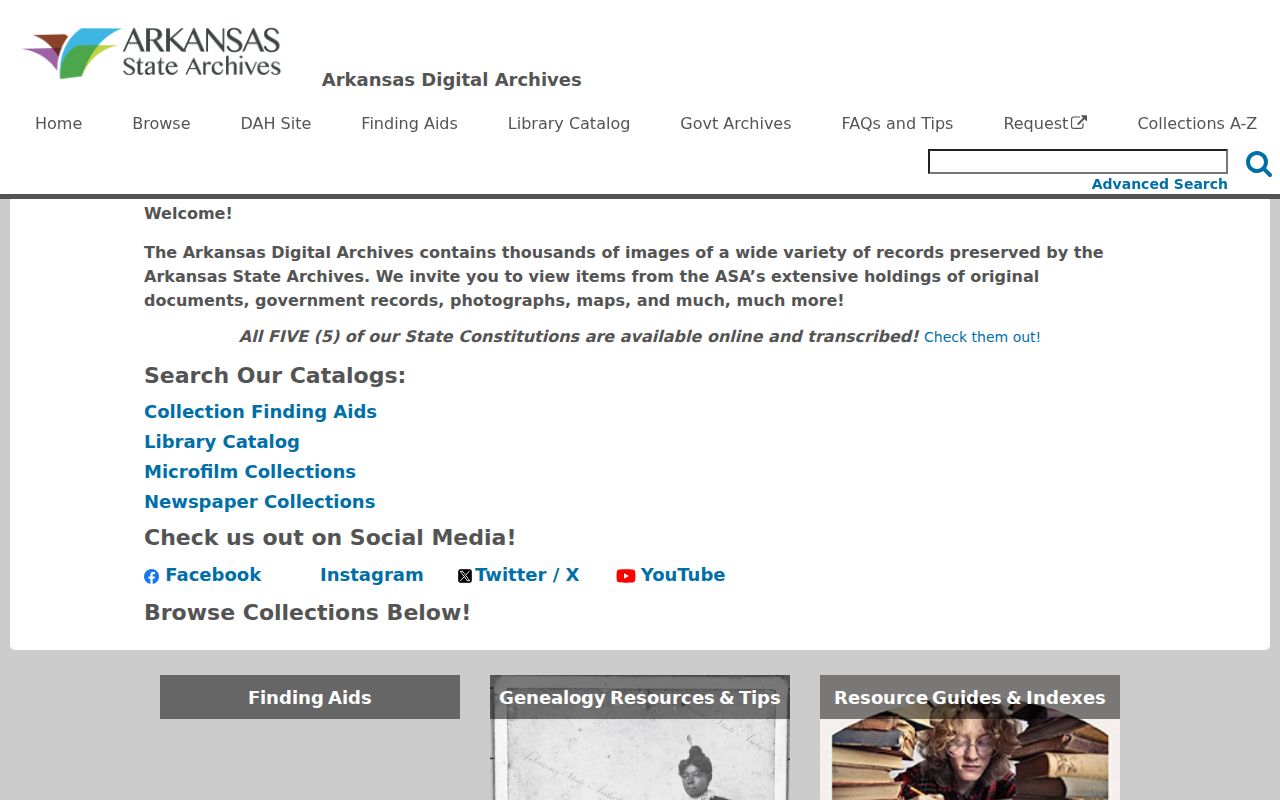
Collection descriptions and finding aids can connect a directory entry with photographs, newspapers, manuscripts, and maps while preserving each item's source.
Trace North Little Rock Households
Annual books fill the long spaces between federal census releases. Begin with one sound anchor, not a guessed match. Publication canvass dates vary, and census years capture a different moment. The best trail retains exact spellings, dated addresses, work clues, and source pages so that each link can be checked later.
- Choose a known census year, address, spouse, or occupation and find the closest available volume.
- Copy the entry and abbreviation key, then inspect nearby surname and street entries for kin or spelling variants.
- Move through adjacent years, noting the first appearance, each change, and the last confirmed listing.
- Pair the run with the public 1900, 1910, 1920, 1930, 1940, and 1950 federal census households.
- Test the trail with deeds, probate, obituaries, cemetery records, newspapers, and maps.
Federal census records become public under a 72-year rule. The National Archives census research route explains that framework. When a yearly listing disappears, look for death, relocation, annexation, a city-name shift, a missed canvass, or renter omission. The right conclusion may remain uncertain.
North Little Rock Directory Gaps
Printed books represent a publisher's dated canvass, not a complete population count. Reverse volumes can map a listed telephone or householder to an address, yet they omit unlisted people. A householder index may name one adult while leaving relatives or other occupants unseen. Old OCR can fail on initials, damaged type, and short street forms.
Use the Arkansas Freedom of Information Act only for an existing government record. It does not make a library create a shelf list or conduct genealogy. For current address-keyed parcel work, the North Little Rock street directory explains the separate assessor and deed route. Historic shelf research remains grounded in title, year, page, place name, and the volume's own key.
Note: Record an unresolved gap as unresolved instead of forcing two similar names into one identity.